
How to Wear a Dupatta with a Pakistani Suit: Classic & Modern Draping Styles
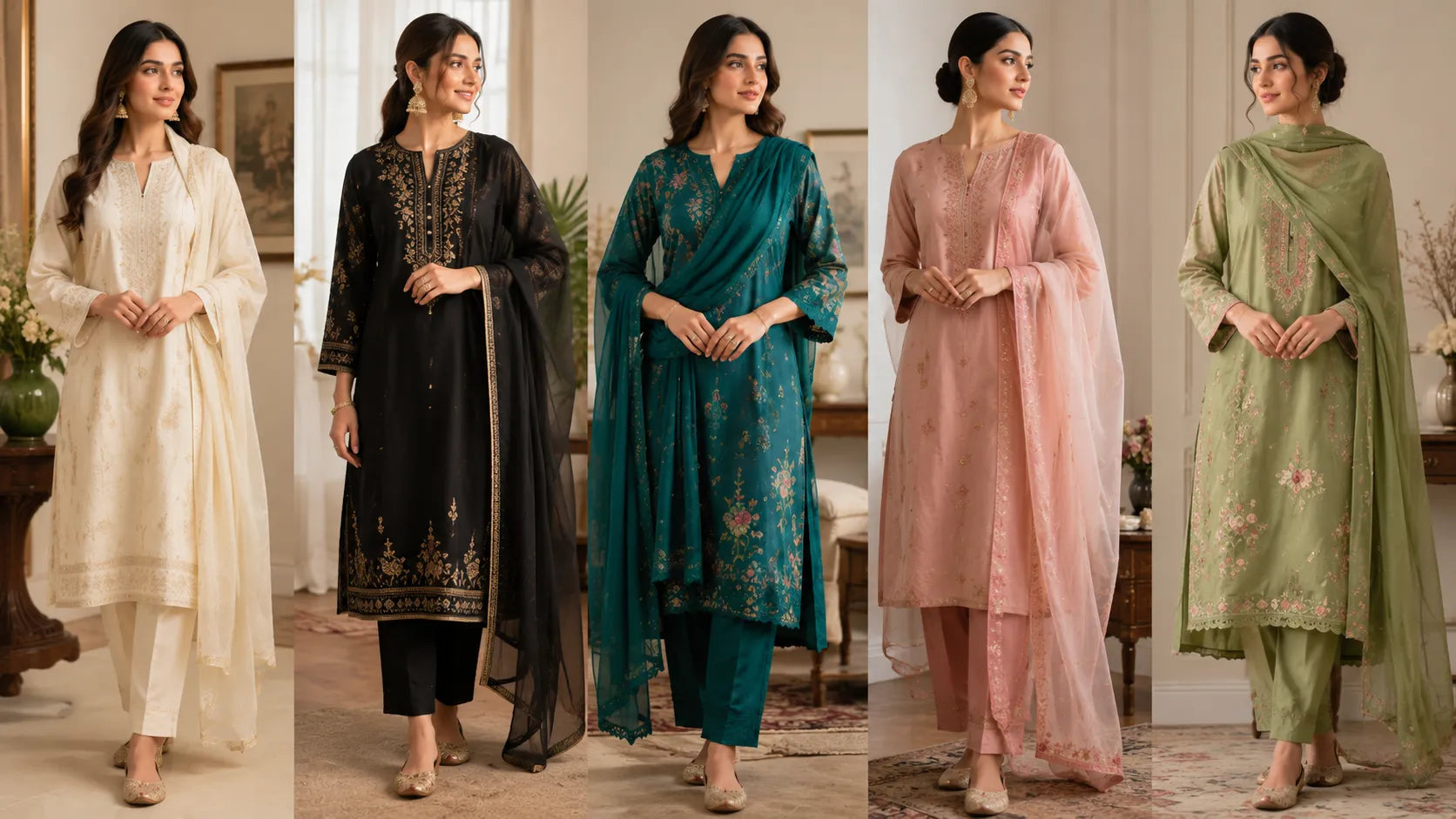
The dupatta is the soul of a Pakistani suit. This graceful length of fabric can transform the very same kameez and shalwar from understated everyday wear into a show-stopping occasion simply by changing how you drape it. Master a few draping styles and you effectively multiply your wardrobe without buying a single new outfit.
At Kaarighar, we are often asked how to wear a dupatta with a Pakistani suit for different occasions, so we have gathered our favourite classic and modern draping styles in one place. Whether you want a fuss-free drape for the office or a dramatic wedding-guest look, there is a style here for you.
Why the Dupatta Drape Matters
The way you wear your dupatta frames your face, flatters your silhouette and sets the entire tone of your outfit. The right drape can:
-
Add elegance and movement to a simple suit.
-
Showcase beautiful embroidery on the border or body.
-
Balance your proportions and flatter your figure.
-
Suit the occasion, from a relaxed daytime look to formal glamour.
Because the dupatta works so closely with the cut of your suit, it helps to pair the right drape with the right silhouette. Our guide to choosing a suit for your body shape is a great companion read.
Before You Start: Fabric, Length & Pinning
A few basics make every drape look better:
-
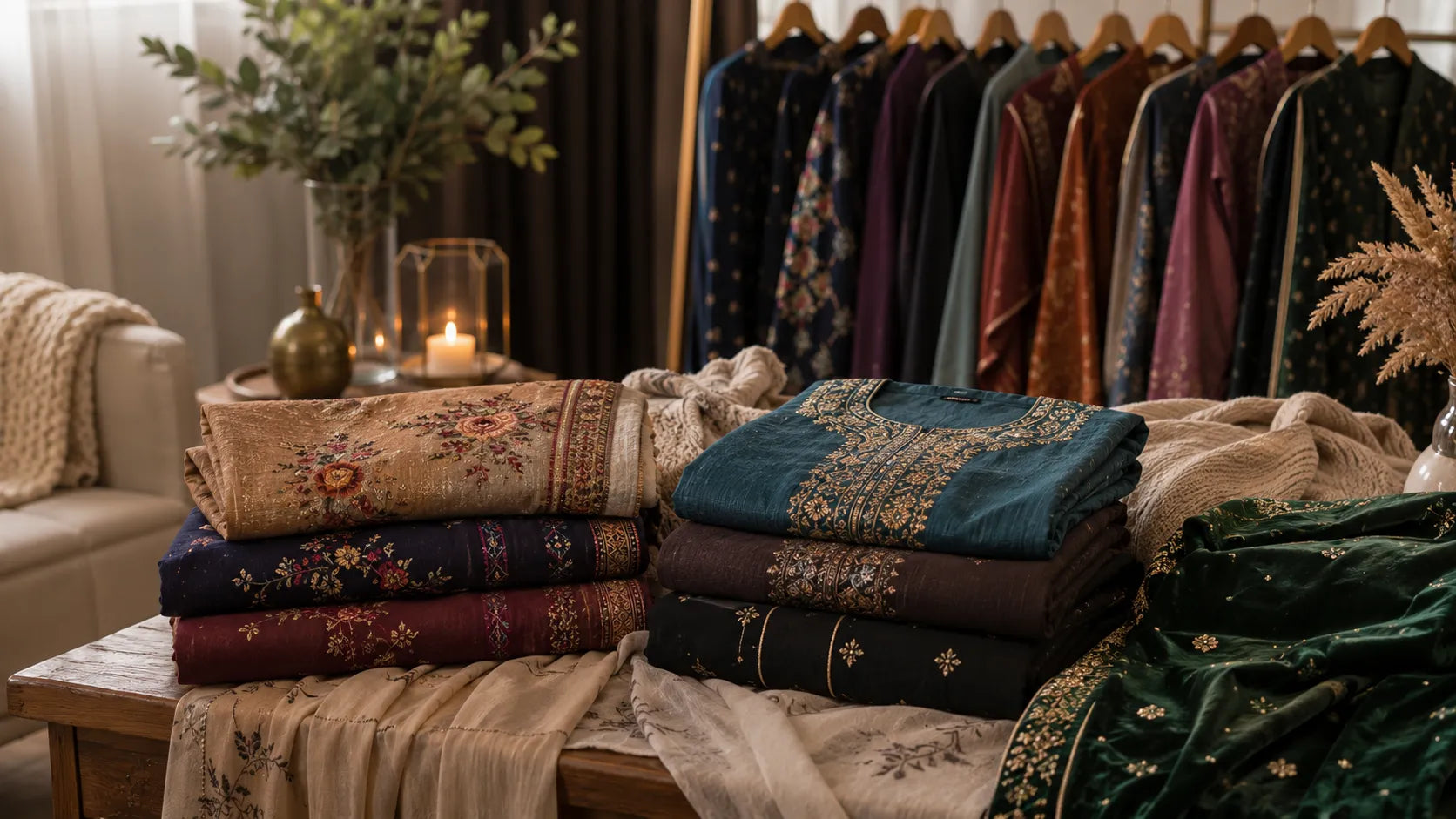
Fabric matters: Light georgette and chiffon flow and pleat easily, while heavy embroidered or velvet dupattas make bolder statements but need pinning.
-
Length matters: A standard dupatta is around 2.25 to 2.75 metres. Longer pieces suit lehenga-style drapes, shorter ones sit neatly with salwar kameez.
-
Pinning is your friend: A small safety pin at the shoulder seam keeps any drape secure all day.
Classic Dupatta Draping Styles
These timeless styles have been loved for generations and work for almost every occasion.
The both-shoulder drape: The simplest of all place the dupatta evenly over both shoulders so it covers the front bodice. Elegant, practical, and perfect when the embroidery is too heavy to manage on one side.
The one-shoulder (single-shoulder) drape: Drape the dupatta over one shoulder and let it fall down the front and back. It highlights the design of your kameez, allows easy movement and is one of our most versatile everyday styles.
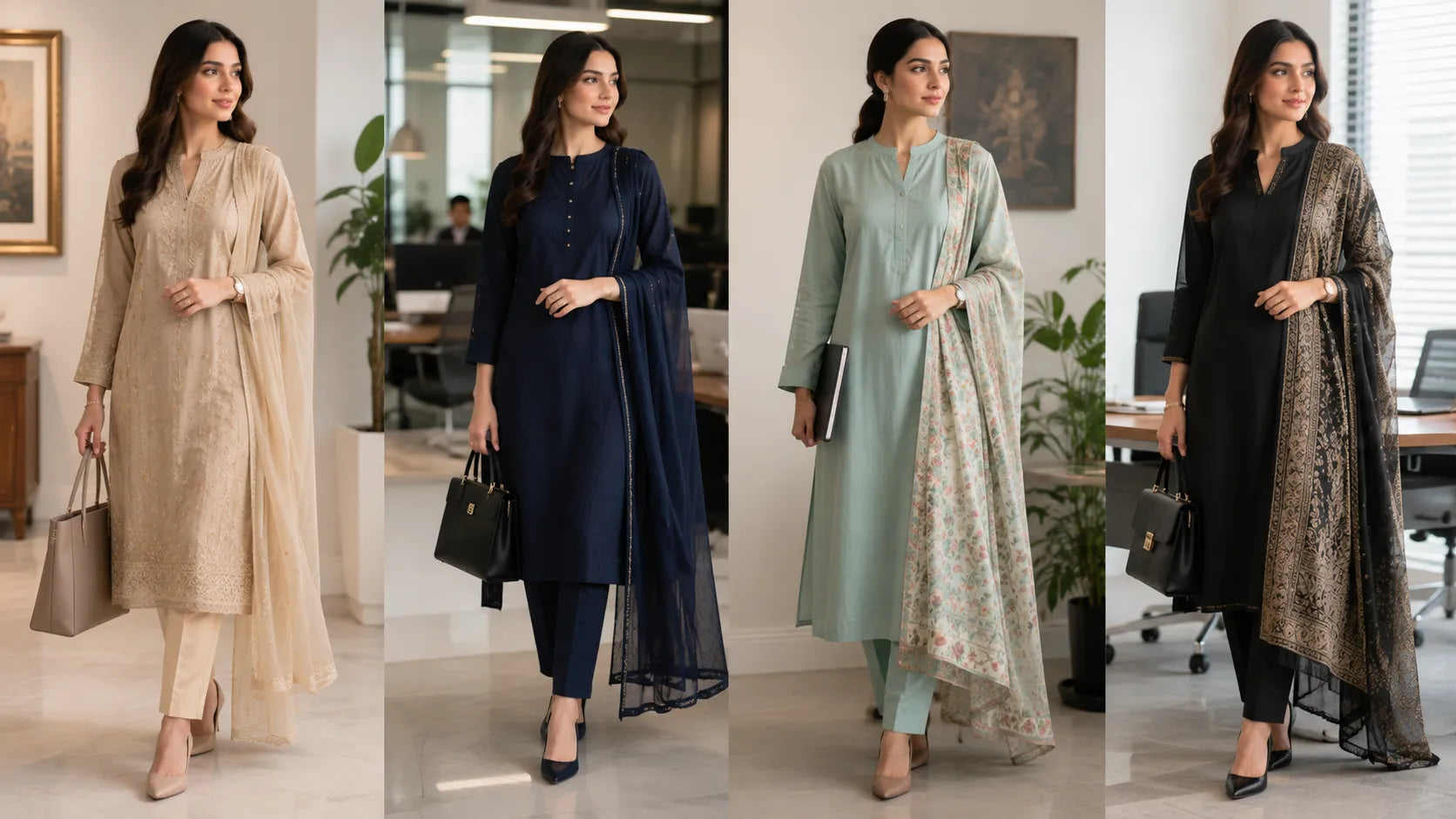
The pleated one-shoulder pin: Pleat the dupatta lengthwise, place it neatly over one shoulder with the embroidered border showing, and pin it in place. Polished and sophisticated ideal for formal events and the office.
The cross-body drape: Place one end on a shoulder and take the other across your chest, pinning or tucking at the opposite hip. It creates a modern, saree-like effect that keeps both hands free.
The head drape: Place one end over your head and let the other fall over a shoulder. Perfect for religious ceremonies and traditional family gatherings; a half-head version blends tradition with a modern feel.
Modern & Trendy Drapes
For a fresh, fashion-forward look, try these contemporary styles.
Cape style: Let the dupatta hang from both shoulders like a cape, unpinned, for an effortless Indo-western vibe. This works beautifully with A-line and straight-cut kameez.
Belt drape: Drape the dupatta over one shoulder in neat pleats, then cinch it at the waist with a stylish belt. It adds structure and a modern edge a favourite for semi-formal events and modern weddings.
Saree-pallu style: Pleat the dupatta and drape it like a saree pallu, tucking one corner at the waist. This gives a regal, layered look that suits festive occasions.
To finish any of these off, the right jewellery and accessories make all the difference our guide to accessories for Pakistani suits shows how to complete the look.
Which Drape Suits Which Outfit

Not every drape flatters every silhouette or occasion. Use this table as a quick guide:
|
Outfit / Occasion |
Recommended Drape |
Why It Works |
|
Anarkali suit |
Both-shoulder or cape |
Balances the flared silhouette |
|
Straight-cut kameez |
One-shoulder or pleated pin |
Keeps clean, streamlined lines |
|
Office / daily wear |
Pleated one-shoulder pin |
Neat, secure and practical |
|
Wedding guest |
Belt drape or saree-pallu |
Adds drama and structure |
|
Religious event |
Head or half-head drape |
Respectful and graceful |
|
Party / evening |
Cape style |
Modern, effortless glamour |
Classic vs Modern Drapes
Deciding between a traditional and a contemporary look? Here is how they compare:
|
Feature |
Classic Drapes |
Modern Drapes |
|
Best for |
Traditional and formal events |
Parties, modern weddings, casual chic |
|
Effort |
Minimal, quick to do |
Slightly more styling, often needs a belt or pins |
|
Vibe |
Timeless and graceful |
Fresh, edgy and Indo-western |
|
Fabric |
Works with any dupatta |
Best with lighter or structured fabrics |
There is no wrong choice it comes down to the occasion and your personal style. For seasonal inspiration, our roundup of the latest Pakistani fashion trends shows how draping styles are evolving.
Draping Tips by Fabric
Every fabric behaves differently, so adapt your drape to suit it:
-
Heavy embroidered or velvet: Keep it simple. Opt for open, both-shoulder drapes that let the fabric shine, and avoid over-pleating, which bunches awkwardly.
-
Light chiffon or georgette: These flow beautifully, so they are perfect for pleated, cape and belt styles.
-
Organza or tissue: Structured and voluminous drape with precision and minimal fuss.
How to Keep Your Dupatta in Place
Nothing spoils a look faster than a dupatta that keeps slipping. Our go-to fixes:
-
Pin the dupatta directly to the shoulder seam of your kameez, not just to itself.
-
Use small, discreet safety pins or decorative brooches.
-
For heavy dupattas, distribute the weight evenly across both shoulders.
-
Choose a slightly grippier fabric for active occasions like mehndi functions.
Styling for Every Occasion
Once you know the drapes, matching them to the moment is easy. For an everyday look, keep it simple with a pleated one-shoulder. For festive functions, our mehndi outfit ideas show how a well-draped dupatta completes a celebration look. And for a polished, elevated finish, explore party wear suits with statement dupattas.
Ready to experiment? You can browse our full collection, shop by category or by your favourite designer brands. Need an outfit fast for an upcoming event? Our next-day delivery service is here to help, and you can always contact our team for styling advice.

FAQs
1. What Are the Different Ways to Drape a Dupatta with a Salwar Kameez?
The most popular drapes are the both-shoulder drape, the one-shoulder drape, the pleated one-shoulder pin, the cross-body drape and the head drape among classic styles, plus modern options like the cape style, belt drape and saree-pallu style. Each suits a different silhouette and occasion, from everyday wear to formal events.
2. How Do I Drape a Heavy Embroidered Dupatta So It Doesn't Slip?
Keep the style simple and distribute the weight evenly. Drape it across both shoulders rather than one, and pin it directly to the shoulder seam of your kameez rather than just to itself. Small safety pins or a decorative brooch hold it securely without spoiling the look.
3. Which Dupatta Style Suits an Anarkali vs a Straight Suit?
For an Anarkali, a both-shoulder or cape-style drape balances the flared silhouette beautifully. For a straight-cut kameez, a one-shoulder or pleated one-shoulder pin keeps the lines clean and streamlined. Matching the drape to the cut helps the whole outfit look intentional and polished.
4. What's the Best Dupatta Drape for a Wedding Guest?
For a wedding, a belt drape or a saree-pallu style adds structure and drama, while a pleated one-shoulder pin with the embroidered border on show looks elegant and refined. Choose a rich, embellished dupatta and secure it well so you can enjoy the celebration without constant adjusting.
5. How Can I Style a Dupatta for Everyday or Office Wear?
For daily and office wear, the pleated one-shoulder pin is ideal it is neat, secure and practical, keeping the fabric in place from morning to evening. A simple one-shoulder drape also works well. Lightweight chiffon or cotton dupattas are the easiest to manage for a busy day.

Leave a comment
This site is protected by hCaptcha and the hCaptcha Privacy Policy and Terms of Service apply.